2026-10-22 ·
Spray Foam Removal Scunthorpe: Signs Your Loft Needs Attention After Winter
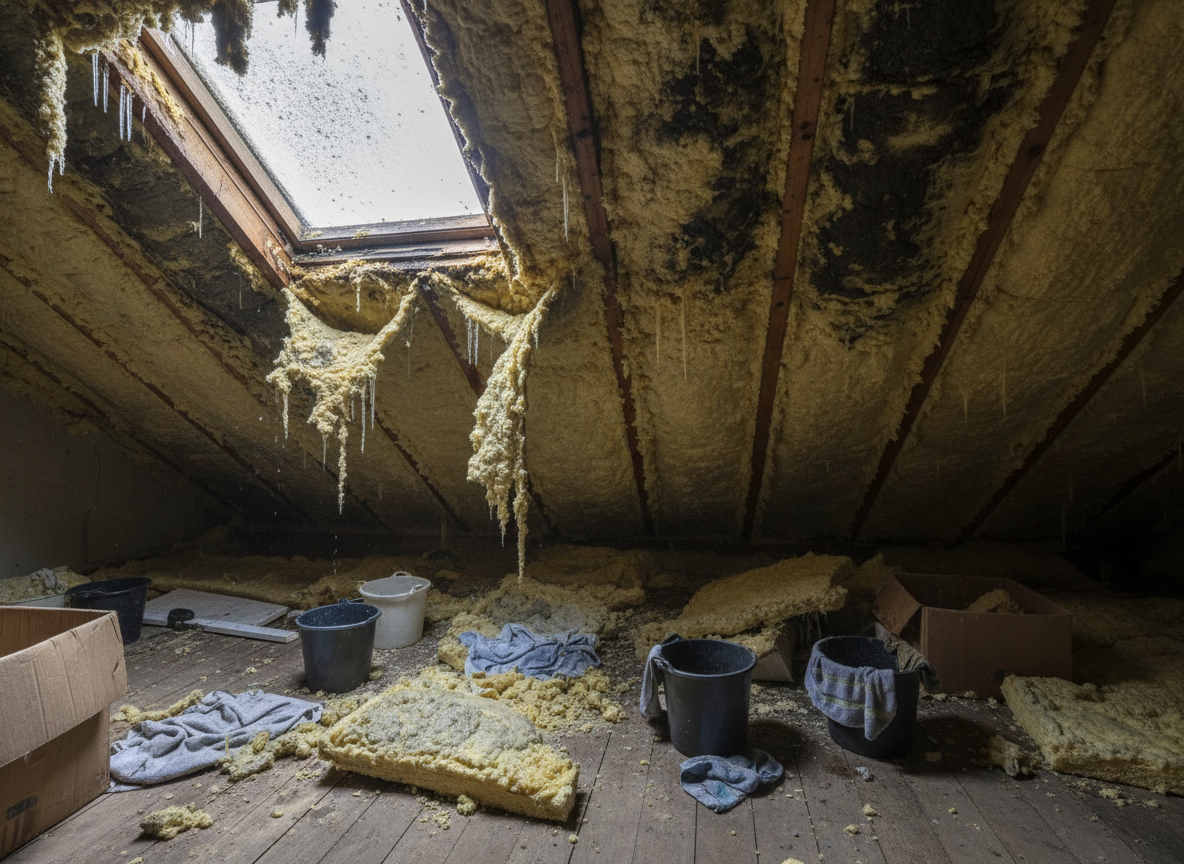
After winter in Scunthorpe, the most common signs that a loft needs spray foam removal include visible moisture staining on rafters, sagging foam sections and musty odours that worsen when temperatures rise. These issues appear frequently in the town's older terraced and semi-detached properties built between the 1900s and 1960s, where closed-cell foam installed 10–15 years ago meets repeated freeze-thaw cycles and high humidity from the Humber estuary.
Visible Damage in Scunthorpe Lofts
Homeowners in Scunthorpe often find foam pulling away from joists after prolonged cold snaps. Check for dark patches along the roofline and around chimney breasts, which indicate water tracking from failed flashing or slipped tiles common on Victorian stock. Measure any sagging areas larger than 30 cm across, as these sections trap condensation against timber and accelerate rot. Walk the loft boards on a dry day and press gently on suspect foam; soft or crumbling material signals the need for loft spray foam removal. Record locations with photos before contacting a specialist.
Moisture and Mould Patterns After Local Winters
Lincolnshire winters bring frequent frost followed by rapid thaws that drive moisture into roof voids. In Scunthorpe homes near the steelworks and older industrial terraces, poor ventilation combines with this cycle to create ideal mould conditions beneath spray foam. Look for black spotting on the underside of the foam or along wall plates, especially in lofts without ridge vents. Persistent damp patches that reappear within 48 hours of dry weather point to trapped water rather than a one-off leak. An insulation assessment helps confirm whether removal is required before mould spores migrate into living spaces below.
How Winter Conditions Affect Older North Lincolnshire Housing
Many Scunthorpe properties around High Street and the surrounding DN15 postcode feature pitched roofs with minimal original ventilation. Closed-cell foam applied directly to rafters in these homes can hold moisture against timber for months after winter, leading to weakened fixings and ceiling cracks visible from below. Residents in nearby Brigg and Winterton report similar problems where agricultural runoff increases local humidity. When foam begins to separate at the edges or shows white crystalline deposits, the insulation has lost its thermal performance and now contributes to heat loss rather than preventing it.
Next Steps for Scunthorpe Homeowners
If multiple signs appear together, arrange an inspection before spring rains add further load. Spray foam removal Scunthorpe and North Lincolnshire Council rules outline local disposal requirements that affect timelines. Early removal prevents the need for more extensive timber repairs later and supports mortgage applications when selling. For properties considering a sale, review When to Arrange Spray Foam Removal Before Selling a Scunthorpe Home to understand sequencing. Our team operates 24/7 from 95 High St, Scunthorpe DN15 6LY and can assess damage on the same day in most cases.